Contact us
825 Halekauwila St, Honolulu, HI 96813
Free Call
Is Your Oahu Property Ready for the Next Storm? Check Your Drains

When a storm moves across Oahu, most property owners think about the roof, windows, landscaping, and anything that could be damaged by wind or heavy rain. Drainage systems often get less attention.

That can be a mistake.

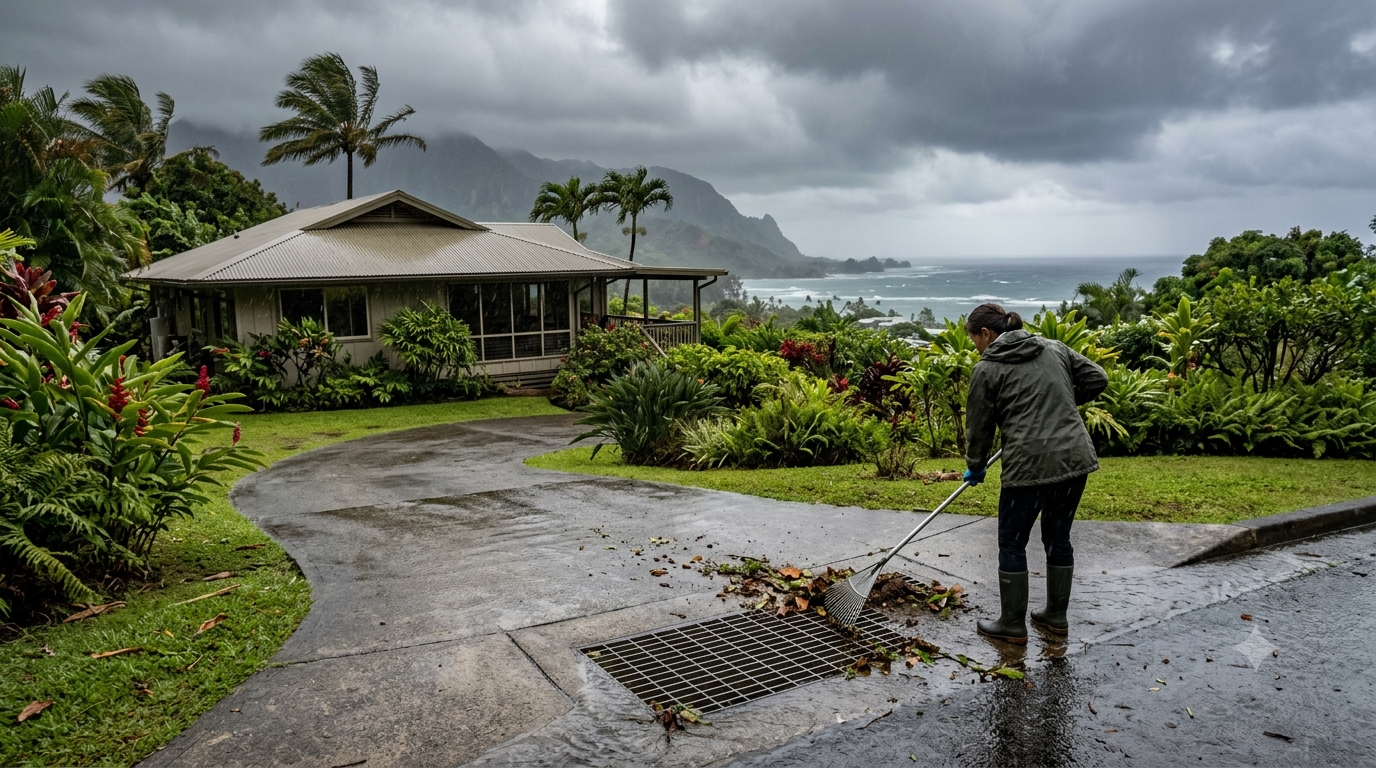
A storm drain has one basic job: move rainwater away from areas where it can cause problems. When a drain is clogged, damaged, undersized, or no longer connected properly to the drainage system, heavy rainfall can quickly expose the problem.

The warning signs are not always dramatic. Water may simply take longer than usual to disappear. A drain may overflow during a downpour. Puddles may keep returning to the same area of a property. By the time water is entering a building or damaging the surrounding ground, the underlying drainage problem may have been developing for much longer.

For Oahu property owners, checking storm drains before the next major rainfall is a practical part of property maintenance. And when a damaged or poorly functioning system needs more than routine clearing, professional storm drain repair on Oahu can help restore proper drainage.

Start With What Happens After Rain

One of the easiest ways to spot a drainage problem is to pay attention during and immediately after rainfall.

You do not need specialized equipment to notice that something is wrong. Look at how quickly water moves away from paved areas, driveways, parking areas, walkways, and other places where stormwater normally collects.

If water remains standing long after surrounding areas have drained, there may be a problem somewhere in the drainage system.

Repeated pooling deserves particular attention. One isolated puddle after an unusually heavy storm may not tell you much. A section of a property that regularly collects water in the same place is different. It suggests that water may not be reaching the intended drainage point efficiently.

For commercial properties, this can become especially disruptive. Waialae Plumbing & Construction specifically provides storm drain maintenance and repair for commercial customers, including replacing damaged drain lines and drains and installing pumps when necessary to improve water flow.

Watch for These Storm Drain Warning Signs

Water Is Draining More Slowly Than It Used To

A storm drain does not necessarily have to be completely blocked before it becomes a problem.

Partial obstructions, damaged lines, accumulated debris, or other drainage issues can reduce how efficiently water moves through the system. During light rain, the problem may barely be noticeable. A heavier storm can expose it immediately.

If a drain consistently struggles to keep up with rainfall, waiting for a complete blockage may turn a manageable repair into a much larger drainage issue.

Water Pools Around the Same Area

Standing water is one of the clearest visual clues that drainage needs attention.

Look for recurring pools near drains, paved surfaces, parking areas, walkways, or low sections of the property. Pay attention to whether the same locations collect water after different storms.

The location of the water can also provide useful information. A pool several feet away from a drain does not necessarily mean the drain itself is the only problem. The issue could involve the line carrying water away from the area.

That is why simply removing visible debris from the drain opening does not always solve the underlying problem.

A Drain Overflows During Heavy Rain

A storm drain that backs up or overflows when rainfall increases is telling you that the system is not handling the incoming water as it should.

There can be several reasons for this. A blockage may restrict flow. A damaged section of pipe may interfere with drainage. The drain itself may have deteriorated. In some situations, the system may require a pump or another solution to move water effectively.

The important point is that an overflowing drain should not automatically be treated as a surface-level problem.

You Notice Damaged Drain Components

Take a look at the visible portions of the drainage system.

Cracked covers, broken grates, damaged drain structures, or obvious deterioration should not be ignored. These components have to withstand repeated exposure to water, weather, traffic, and everyday use.

A damaged drain can also become less effective at directing water where it needs to go.

If the visible damage appears connected to a larger drainage line, professional inspection is a better approach than attempting to repair only the part that can be seen.

Water Starts Moving Toward the Building

This is the warning sign that should get your attention quickly.

Stormwater is supposed to be directed away from structures and other vulnerable areas. If water begins moving toward a building instead, something in the drainage pattern may not be working as intended.

Do not wait for water to enter the building before investigating why it is collecting there.

A Clean Drain Opening Does Not Guarantee a Healthy Drainage System

One common assumption is that if the top of a storm drain looks clear, the drain must be working properly.

Not necessarily.

The visible opening is only one part of the system. Problems can occur farther along the drainage line, where they are impossible to identify through a quick visual inspection.

This is also why storm drain maintenance and storm drain repair are not necessarily the same thing.

Routine maintenance can help keep a drainage system functioning properly. Repair becomes necessary when components or lines are damaged, deteriorated, or otherwise unable to perform their intended function.

The right solution depends on what is actually happening below the surface.

Oahu’s Rain Makes Drainage Worth Watching

Oahu properties face different drainage conditions depending on their location, layout, surrounding terrain, and the type of property.

Rainfall can also expose weaknesses that remain hidden during dry periods. A drainage system may appear perfectly adequate for weeks and then struggle when a heavy storm sends a large volume of water toward the same area in a short period.

That is why the best time to discover a drainage problem is not necessarily when water is already moving across the property.

A quick inspection after rainfall can reveal changes that would otherwise go unnoticed.

Look for:

  • Recurring standing water
  • Slow drainage
  • Overflowing storm drains
  • Damaged grates or drain structures
  • Water moving toward buildings
  • Areas that have become unusually muddy or saturated
  • Drainage problems that appear repeatedly after storms

None of these signs automatically tells you exactly what has failed. They do tell you that the drainage system deserves a closer look.

When Storm Drain Repair Makes More Sense Than a Quick Fix

Some drainage problems can be addressed through maintenance. Others require repair or replacement.

The distinction matters because repeatedly clearing the same drain without identifying why it keeps failing does not address the underlying issue.

Waialae Plumbing & Construction lists storm drains among its plumbing services and says it can replace damaged lines or drains and install pumps when necessary to maintain water flow. The company serves residential and commercial customers across Oahu, although its storm drain service information specifically emphasizes commercial properties.

For a property owner dealing with recurring drainage problems, the useful question is not simply, “Can this drain be cleared?”

It is:

Why is the water not moving the way it should?

That question can help determine whether the issue is a blockage, damaged component, failing line, or another drainage problem that requires professional attention.

Choosing a Plumbing Company for Drainage Work

Storm drainage is different from dealing with a slow bathroom sink. The system can involve underground lines, larger drainage structures, pumps, and the movement of significant amounts of water.

That makes experience with larger plumbing work important, particularly for commercial properties.

When comparing Hawaii plumbers, look beyond whether a company simply advertises “drain services.” Check whether the company actually provides storm drain work, whether it handles repairs as well as maintenance, and whether it has the equipment and personnel required for the type of property involved.

Waialae Plumbing has served Oahu since 1994 and provides plumbing services to residential and commercial customers throughout the island. Its services include drain cleaning, leak detection, water heater work, pipe repair and replacement, sewer line repair, water lines, gas line maintenance, and storm drains.

The company also operates as a licensed general contractor, with a separate construction crew for renovation and new construction projects.

That broader capability can be useful when drainage work is part of a larger construction or property improvement project rather than an isolated repair.

Check the Drains Before the Storm Checks Them for You

You do not need to wait for a major storm to find out whether your drainage system is ready.

Walk the property after rainfall. Look at where water collects. Check visible drains and grates. Notice whether the same areas repeatedly stay wet or whether water takes longer to disappear than it once did.

Those small observations can reveal a problem before it becomes much harder to ignore.

And if a storm drain repeatedly backs up, overflows, or fails to move water properly, a professional assessment can determine whether the system needs maintenance, repair, replacement, or additional equipment.

Checking your storm drains now can help you identify drainage problems before heavy rain turns them into a bigger property issue.

Social Share

image

Star Digital Marketing

The Star Digital Editorial Team shares ideas, experiences, and observations that come up while exploring the world online. The blog is a space to put those thoughts into words and provide readers with helpful insights.