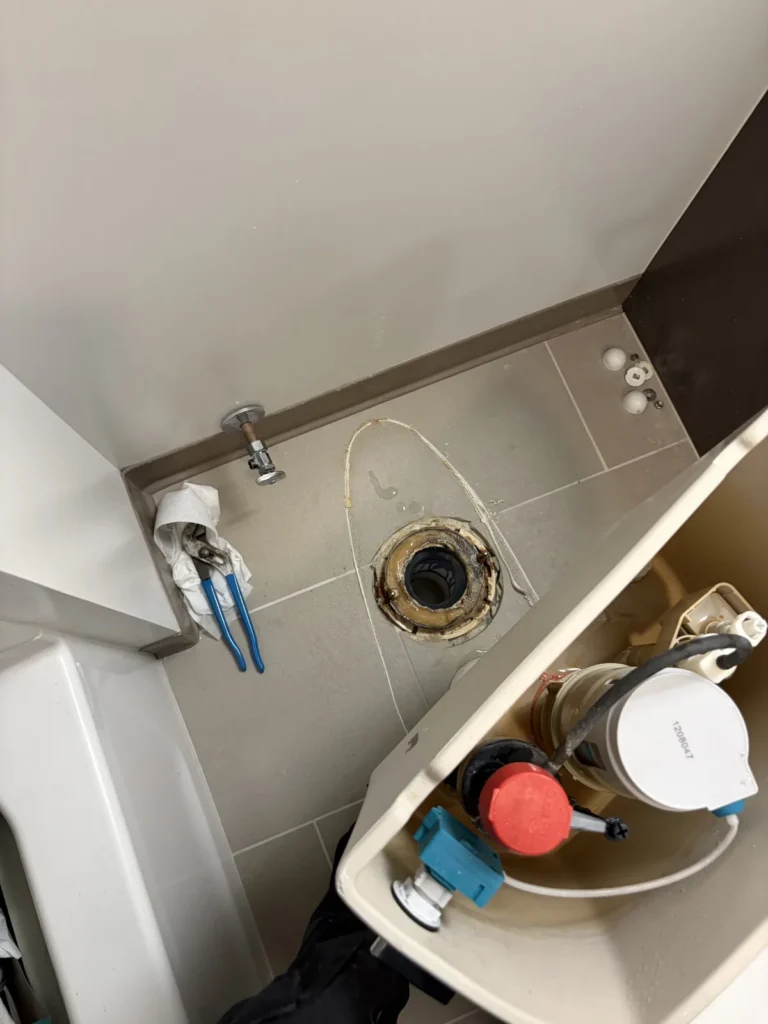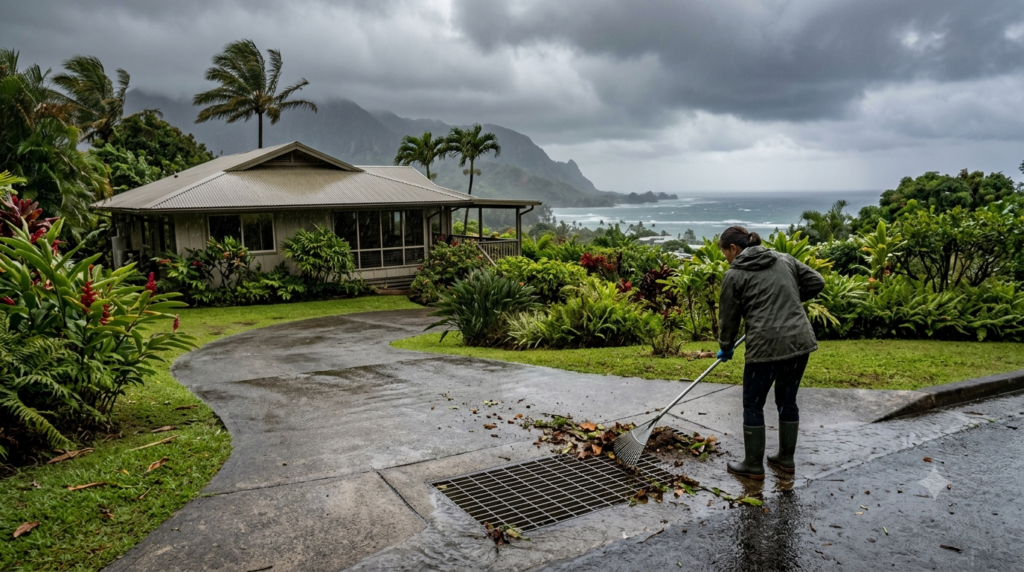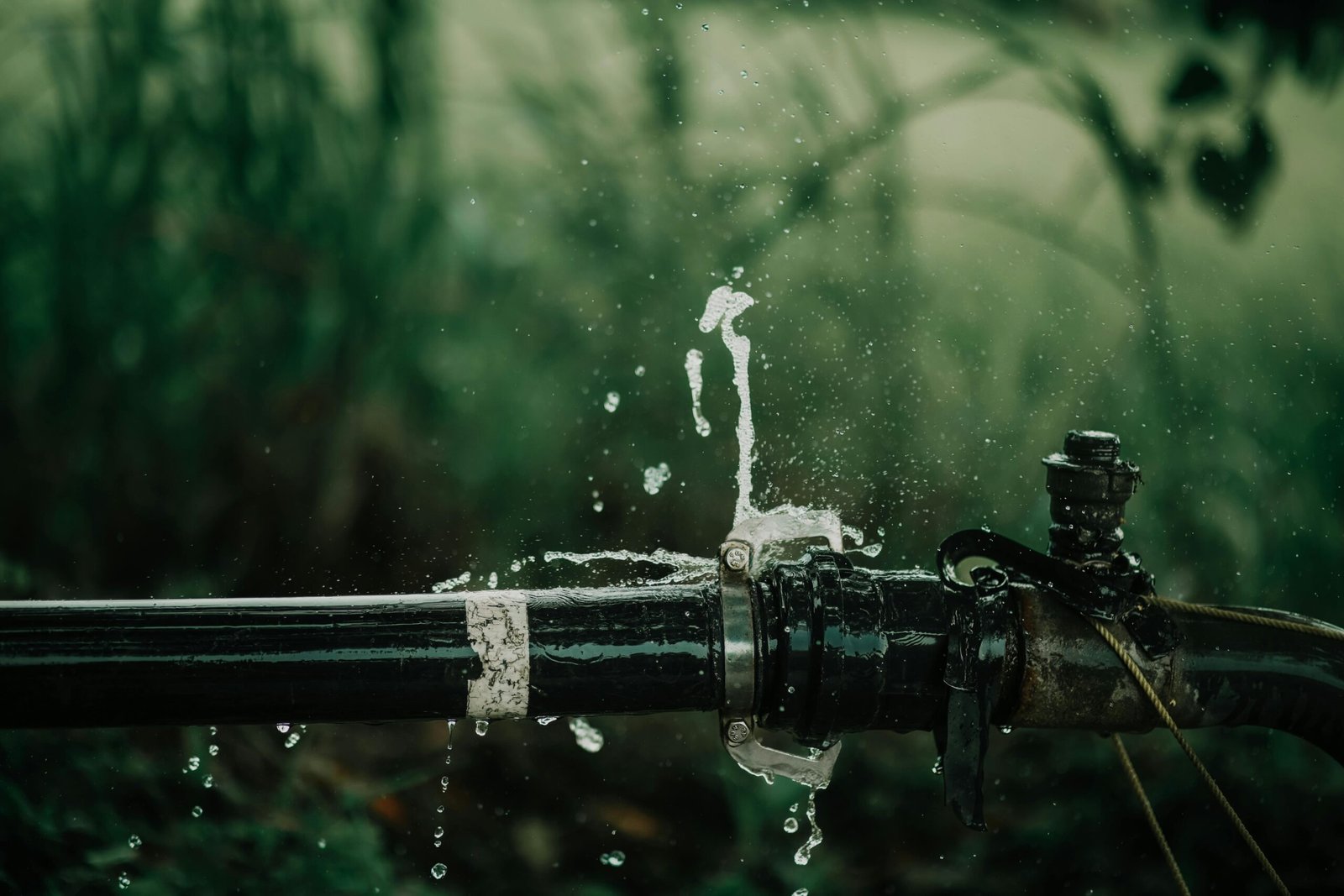
There’s a moment, right before panic really sets in, when a homeowner just… stands there.
Water is spreading a little too quickly.
A strange noise behind the wall.
Something fine yesterday suddenly isn’t.
In Honolulu, these moments carry a different weight. Salt air, aging pipes, humid conditions… small issues don’t always stay small for long. And when something goes wrong, it tends to move fast.
This isn’t about turning anyone into a plumber overnight. It’s about buying time. Just enough to keep things from getting worse before help arrives.
What should you do first during a plumbing emergency?
The short answer: stop the water, reduce pressure, and contain the damage immediately.
Everything else comes after.
Most plumbing emergencies aren’t dangerous because of the problem itself. They’re dangerous because of how quickly water spreads. Floors, walls, electrical points… it doesn’t take long before a simple leak turns into structural damage.
So the first instinct needs to shift from confusion to action.
Start with the main water supply. Every home has one, though not everyone remembers where it is until it matters. Turning it off can feel oddly dramatic, but it’s often the single most important move.
Then pause. Just for a second.
Listen.
Look.
Sometimes the source becomes obvious once the water pressure drops. Other times, it stays hidden. Either way, the goal has already shifted. It’s no longer about fixing. It’s about preventing escalation.
How do you quickly shut off water in a Honolulu home?
The bottom line: locate and turn off the main shut-off valve as fast as possible.
In most Honolulu homes, the main valve is found outside, near the perimeter, or close to where the water line enters the property. Occasionally, it’s tucked away in less obvious places. Behind shrubs. Near a garage wall. Not always where anyone expects it.
This is where things get a little… real.
Because in an emergency, searching for that valve feels longer than it actually is.
Turn it clockwise. Firmly, but not aggressively. Older valves, especially in coastal areas, may resist slightly due to corrosion. That’s not unusual. Salt air has a way of quietly working against metal over time, something that’s often discussed in resources like the EPA’s WaterSense guidelines.
Once the water stops, the situation changes. Not solved. But controlled.
And that distinction matters.
Can you reduce further damage while waiting for a plumber?
Yes. Containing water and relieving system pressure can prevent thousands of additional repairs.
After shutting off the main supply, open a few faucets around the home. This helps drain any remaining water in the pipes and reduces pressure buildup.
It’s a small step, but it does something important. It slows things down.
Now comes the less technical part.
Grab towels. Buckets. Anything that absorbs or redirects water away from sensitive areas. Floors matter, but so do cabinets, baseboards, and drywall. In humid climates like Honolulu, moisture lingers. And when it lingers, it creates a different kind of problem later.
Mold. Warping. Odors that don’t quite leave.
There’s also something subtle that experienced homeowners tend to notice. Water rarely stays where it starts. It travels. Underflooring. Behind walls. Quietly.
So even if the visible mess looks manageable, it’s worth assuming there’s more happening just out of sight.
What mistakes should homeowners avoid in a plumbing emergency?
Don’t over-fix, don’t ignore, and don’t delay professional help.
There’s a natural urge to solve the problem immediately. Tighten something. Patch it. Maybe even dismantle a part of the system. Sometimes that works. Often, it complicates things.
Temporary fixes have their place, but they need to stay temporary.
Over-tightening a valve can crack fittings. Using the wrong sealant can make repairs harder later. And leaving even a small leak unattended… well, in Honolulu’s environment, small leaks have a habit of growing quietly.
Another common mistake is waiting too long.
Not out of negligence, but hesitation. Maybe the issue doesn’t seem urgent anymore. Maybe it looks “under control.”
That’s usually when it comes back.
And not gently.
When should you call a professional plumber in Honolulu?
Immediately. If there’s uncertainty, visible damage, or recurring issues, it’s time to call.
Plumbing systems are interconnected. What looks like a single leak can sometimes trace back to pressure imbalances, pipe corrosion, or hidden blockages.
This is where experience matters.
A licensed professional doesn’t just fix what’s visible. They look for patterns. Weak points. Early signs of failure that haven’t surfaced yet.
For homeowners in Honolulu, working with a trusted local service like Waialae Plumbing can make that process smoother. Their familiarity with island-specific plumbing challenges adds a layer of understanding that generic solutions often miss.
There’s also something reassuring about handing over a problem that’s been quietly building stress in the background.
It’s not just about repair. It’s about resolution.
Why plumbing emergencies feel different in coastal homes
Here’s the thing: most checklists don’t really say.
Coastal homes age differently.
Salt air accelerates corrosion. Humidity keeps materials under constant stress. Even well-installed systems experience wear in ways that aren’t always visible until something gives.
This is why preventative care, like regular plumbing maintenance, tends to matter more here than in many inland areas.
And it’s also why emergencies, when they happen, tend to escalate faster.
Not dramatically. Just… steadily. Quietly.
Until suddenly they’re not so quiet anymore.
A quiet kind of preparedness
No one really plans for plumbing emergencies. Not in a detailed, checklist kind of way.
But knowing what to do changes something.
It slows the moment down.
Gives it shape.
Makes it manageable.
Shut off the water through the emergency plumbing services in Honolulu.
Relieve pressure in the system to reduce the risk of further damage.
Contain what you can using towels, buckets, or any absorbent material while you wait.
Call someone who knows what they’re doing through the Honolulu plumber page for immediate professional help.
That’s usually enough.
Not to fix everything. But to keep things from getting worse.
And sometimes, that’s the difference that matters most.