A bathroom renovation is often associated with visible changes. New tile, modern fixtures, improved lighting, and updated vanities usually get most of the attention. Yet some of the most important decisions happen before the walls are closed and the finishes go in. Plumbing is one of them.
A well-planned bathroom plumbing renovation in Oahu is about more than replacing an old faucet or installing a new showerhead. It is an opportunity to improve water efficiency, prevent future repairs, ensure code compliance, and build a plumbing system that supports your home’s needs for years to come.
Whether you’re updating a guest bathroom or completely redesigning a primary suite, understanding which plumbing upgrades deserve attention can help you avoid expensive surprises after the renovation is complete.
Renovation Is the Best Time to Address Hidden Plumbing Problems
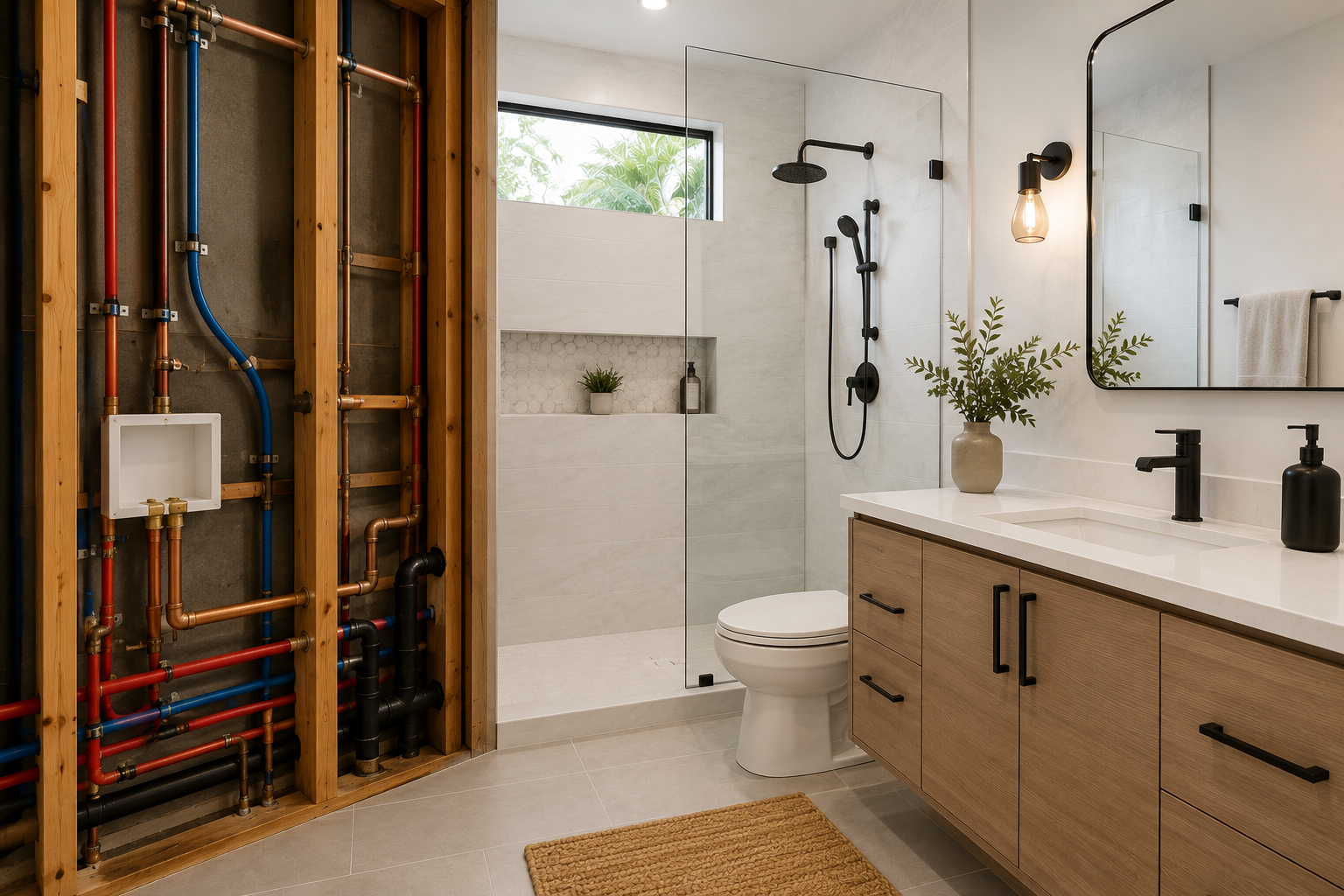
Many plumbing components remain hidden behind drywall or beneath flooring for decades. Since these areas become accessible during a remodel, renovations provide a practical opportunity to inspect parts of the plumbing system that would otherwise require demolition to reach.
Older homes throughout Oahu may still contain aging supply lines, worn drain pipes, outdated shutoff valves, or connections that no longer meet current plumbing standards. While these components may still function, years of exposure to moisture, mineral deposits, and everyday use can gradually reduce their reliability.
Replacing aging plumbing during a renovation is often less disruptive and more cost-effective than repairing water damage after new finishes have already been installed.
Consider Replacing Aging Water Supply Lines
Many homeowners focus on fixtures while overlooking the pipes that supply them.
If your bathroom plumbing renovation reveals older galvanized steel, corroded copper, or deteriorating supply lines, replacement may be worth considering. Modern piping materials are designed for durability and consistent water flow while requiring less maintenance over time.
Benefits of replacing older water lines include:
- Improved water pressure
- Reduced risk of hidden leaks
- Better water quality
- Greater long-term reliability
- Compatibility with newer plumbing fixtures
Even if only one bathroom is being renovated, evaluating the surrounding plumbing can help determine whether selective pipe replacement makes sense before the project is finished.
Upgrade the Drain System While Walls Are Open
Drain pipes receive far less attention than water supply lines, but they play an equally important role in a bathroom’s performance.
Slow drainage, recurring clogs, unpleasant odors, or noisy pipes may indicate that portions of the drainage system deserve closer inspection.
A plumbing renovation provides access to:
- Shower drains
- Bathtub drains
- Sink drain assemblies
- Vent connections
- Waste piping
Making adjustments during construction is considerably easier than opening finished walls months or years later.
Choose Water-Efficient Plumbing Fixtures
Water conservation has become an important consideration for many homeowners across Hawaii.
Modern plumbing fixtures offer significant improvements in efficiency without sacrificing comfort or performance.
During a bathroom plumbing renovation in Oahu, homeowners often choose:
- Low-flow toilets
- Water-saving showerheads
- High-efficiency faucets
- Touchless faucet technology
- Dual-flush toilet systems
These upgrades can reduce water consumption while maintaining the functionality expected from today’s plumbing products.
Selecting quality fixtures also minimizes maintenance issues and helps ensure replacement parts remain available in the future.
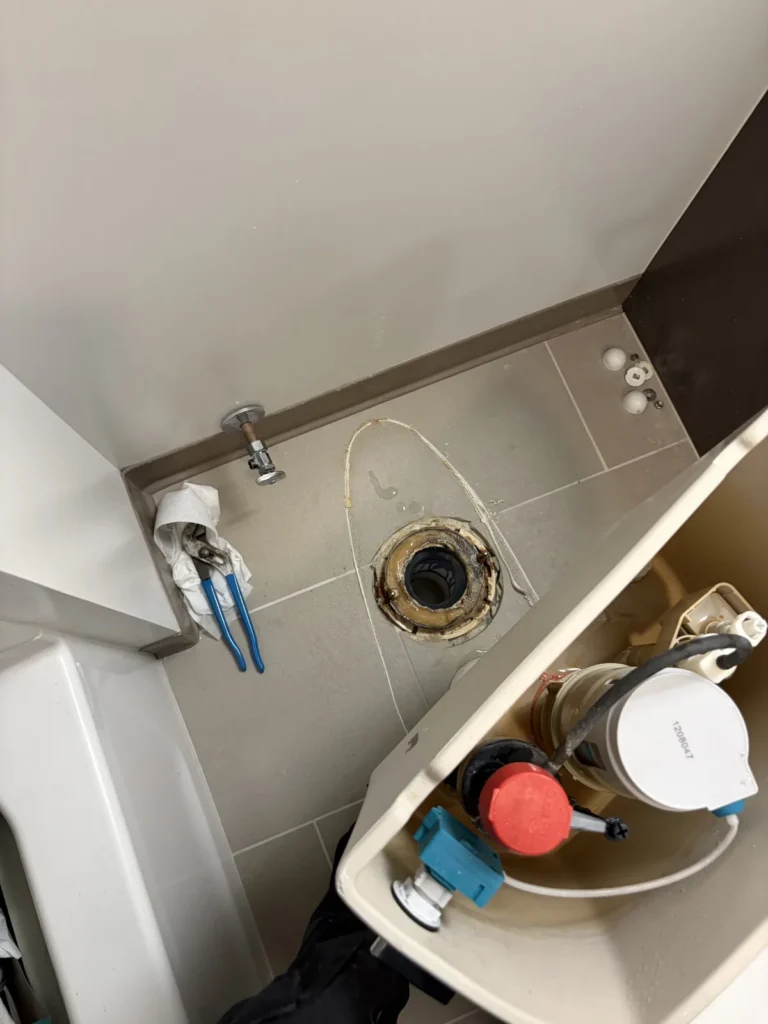
Don’t Overlook Shutoff Valves
Few plumbing components receive less attention than shutoff valves until an emergency occurs.
Older valves may seize, leak, or fail to close completely after years without use.
Replacing shutoff valves during a renovation allows future plumbing maintenance to be completed without shutting off water to the entire home.
New quarter-turn valves are generally easier to operate and provide more dependable performance when repairs become necessary.
Improve Accessibility for Future Maintenance
Good plumbing design considers not only today’s renovation but tomorrow’s maintenance.
Whenever possible, plumbers may recommend creating access panels behind tubs, showers, or plumbing walls where critical valves or piping connections exist.
These small planning decisions can make future inspections or repairs significantly easier while minimizing disruption to finished surfaces.
Evaluate Ventilation Alongside Plumbing Improvements
Although ventilation is technically separate from the plumbing system, the two work together to protect the bathroom.
Poor ventilation allows excess humidity to linger, increasing the likelihood of mold growth, moisture damage, and premature deterioration around plumbing fixtures.
A renovation offers an opportunity to evaluate:
- Exhaust fan capacity
- Vent placement
- Moisture control
- Air circulation
Addressing ventilation while plumbing work is already underway helps create a healthier and longer-lasting bathroom.
Plan Fixture Locations Carefully
Moving plumbing fixtures is often possible, but every relocation affects the plumbing system behind the walls.
Relocating a toilet, shower, or vanity may require:
- New drain lines
- Additional venting
- Water supply modifications
- Floor alterations
Sometimes keeping fixtures near their existing plumbing locations can reduce labor while still allowing for a dramatic design transformation.
Working with a licensed plumber early in the design process helps identify practical layouts before construction begins.
Install Modern Shower Plumbing
Today’s bathrooms increasingly prioritize comfort and convenience.
Many homeowners include upgraded shower systems during a renovation, such as:
- Rainfall showerheads
- Handheld shower wands
- Thermostatic mixing valves
- Multiple spray outlets
- Pressure-balancing valves
These upgrades often require modifications behind the wall, making renovation the ideal time for installation.
Proper planning ensures adequate water pressure and compatibility with the home’s plumbing system.
Think Beyond the Bathroom
A renovation can reveal how one bathroom connects to the rest of the home’s plumbing.
For example, recurring pressure fluctuations, inconsistent hot water, or aging supply lines elsewhere may become more apparent once new fixtures are installed.
Rather than treating the bathroom as an isolated project, many homeowners use the renovation as an opportunity to assess the condition of nearby plumbing components and identify potential improvements before they become larger issues.
Work With Plumbing Codes in Mind
Building codes exist to promote safety, sanitation, and reliable plumbing performance.
Bathroom renovations may involve requirements related to:
- Pipe sizing
- Drain slopes
- Venting
- Fixture spacing
- Water supply connections
- Shutoff valve placement
Meeting local plumbing requirements helps ensure the renovated bathroom functions properly and supports future inspections, insurance considerations, and property value.
Experienced plumbers remain familiar with these standards and can help avoid costly corrections later in the project.
- Hawaii State Building Code Council → https://ags.hawaii.gov/bcc/
- U.S. Environmental Protection Agency’s WaterSense program → https://www.epa.gov/watersense
Why Professional Plumbing Planning Matters
Bathroom renovations often involve multiple trades working within the same space.
Plumbing decisions influence flooring, cabinetry, tile installation, electrical work, and even paint schedules. When plumbing planning happens early, contractors can coordinate more efficiently and reduce the likelihood of delays caused by unexpected pipe relocations or hidden repairs.
Professional plumbers can also identify issues that homeowners may not notice, including early corrosion, inadequate venting, improper drainage, or aging valves hidden behind finished surfaces.
For homeowners planning a bathroom plumbing renovation in Oahu, having plumbing evaluated before cosmetic work begins can protect both the investment in the remodel and the long-term reliability of the home’s plumbing system.
Careful planning doesn’t necessarily mean adding more upgrades; it means making informed decisions while the opportunity is available. If your renovation uncovers aging pipes, hidden leaks, or outdated fixtures, addressing them before the project is complete can save significant time and expense later. Whether you need help with drain cleaning services, water line repair, or residential plumbing services, working with experienced professionals ensures every part of the plumbing system is ready to support your new bathroom. Once new tile, cabinetry, and fixtures are in place, revisiting hidden plumbing becomes far more difficult and expensive. A thoughtful renovation considers not only how the bathroom will look on day one, but how well it will perform for years afterward.
Residential plumbing services → https://waialaeplumbing.com/plumbing-services/
Drain cleaning services → https://waialaeplumbing.com/drain-cleaning/
Water line repair → https://waialaeplumbing.com/water-line-repair/